




Brush, don't wash
A good clothes brush does more for your garments than a wash cycle. Less wear, longer life, better results.
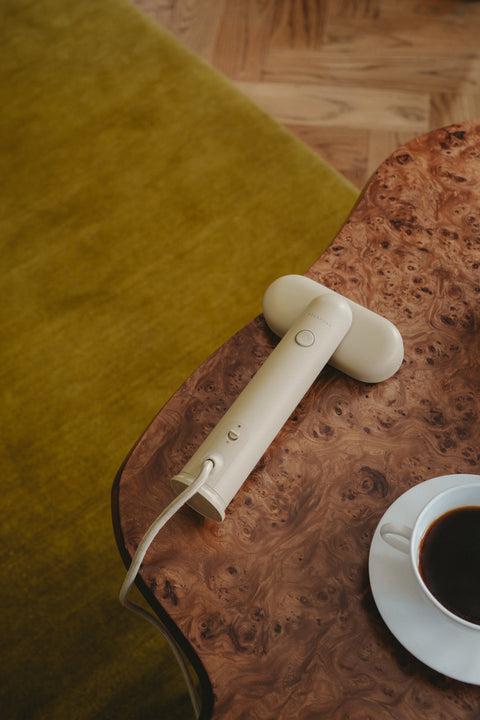
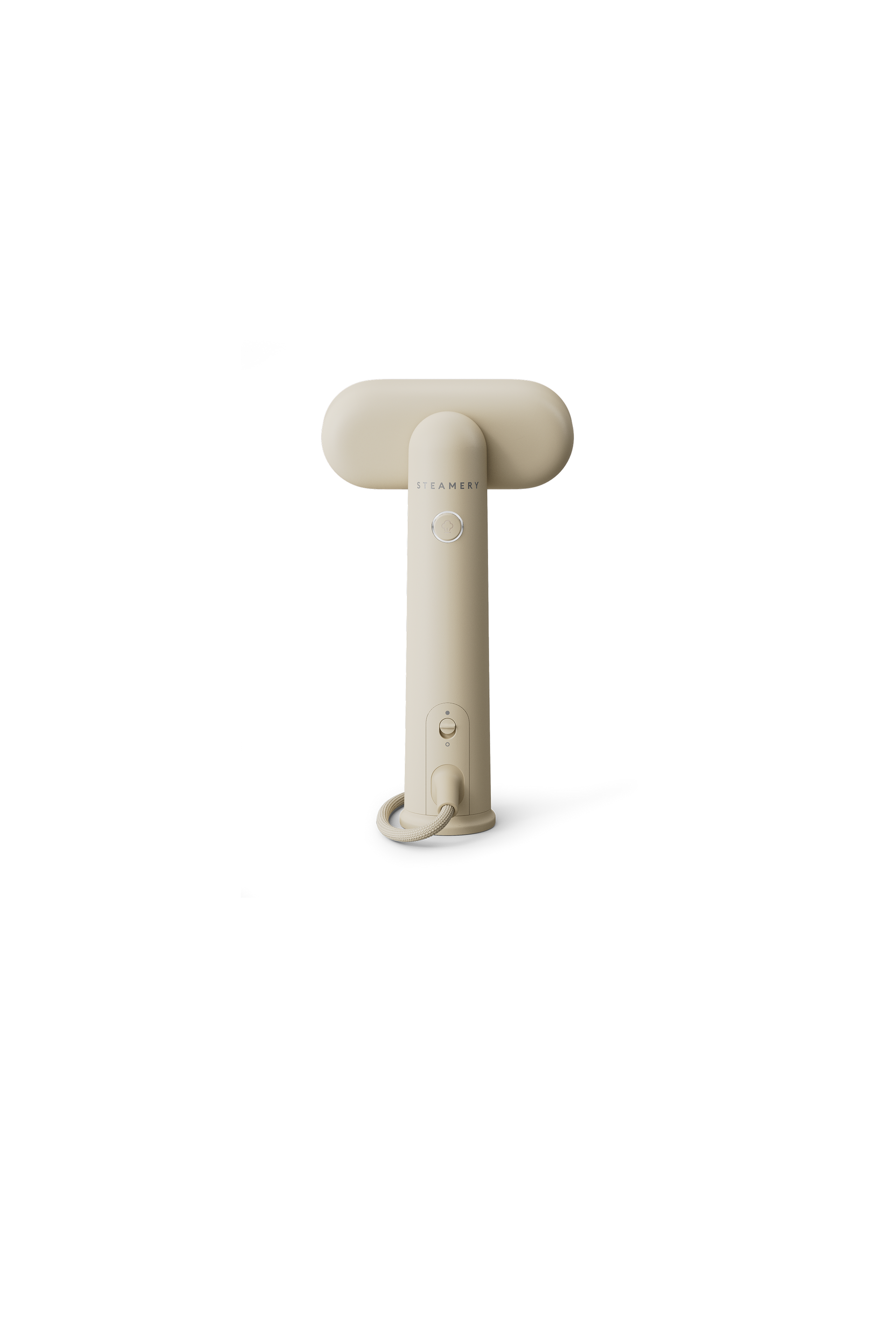
A hush of steam is all it takes to transform the pieces in your wardrobe. Discover a guide to steaming your garments.
Tactile linen, fine wool, butter-soft silk—most fabrics respond beautifully to a gentle hush of steam.

There is a quiet beauty in the ritual of steaming. A renewed softness, a restored silhouette, a wardrobe recalibrated—small moments of care that transform the way a garment looks and feels.
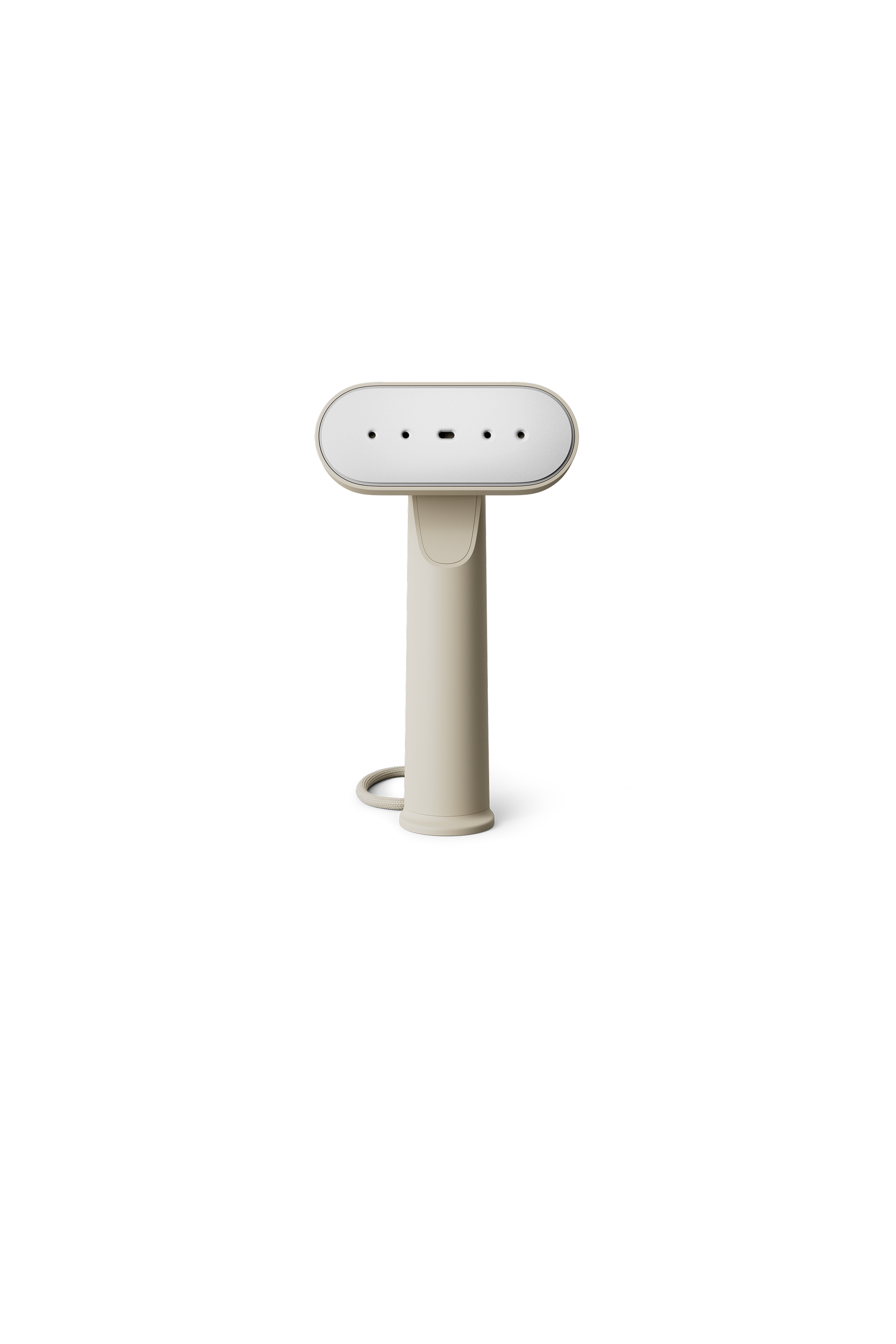
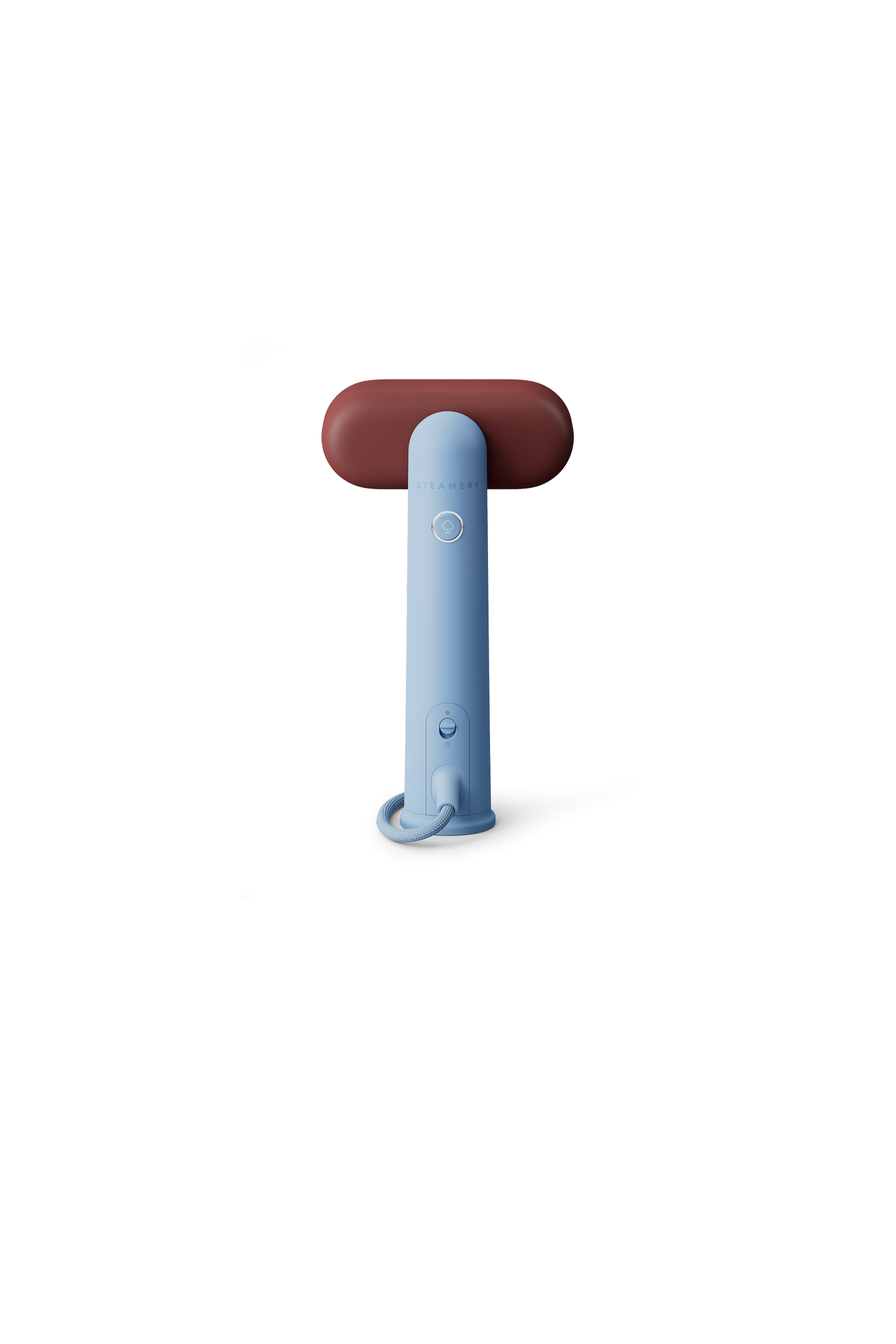
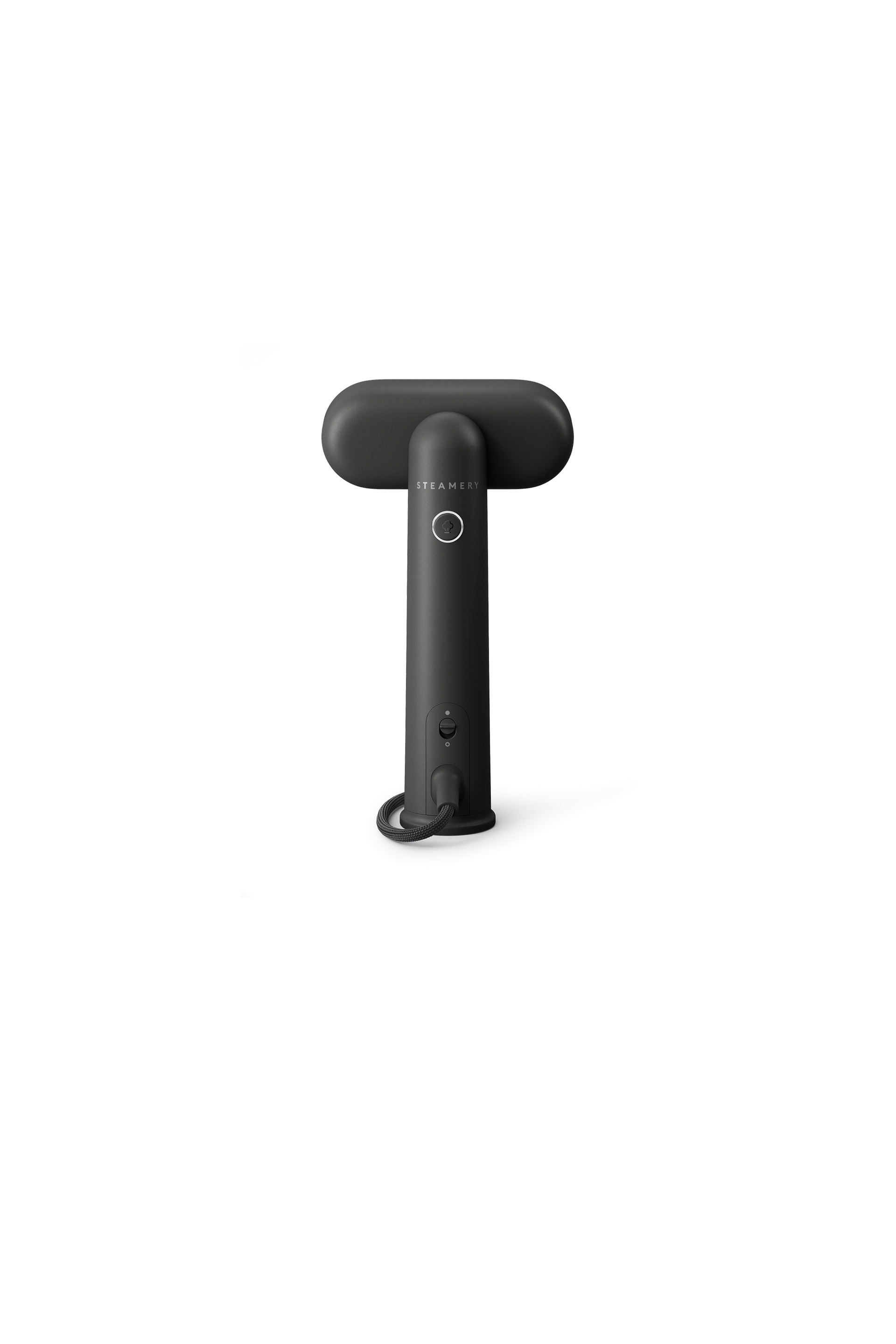
Steam works to transform textiles by gently relaxing the fibers of a fabric, releasing creases without the pressure of an iron. There are two main types of steamers: handheld steamers offer a compact option that fits effortlessly into your garment care routine, while floor steamers lend themselves to home textiles and professional settings.
The greatest strength of steam lies in its versatility. Tactile linen, fine wool, butter-soft silk—most fabrics respond beautifully to a gentle hush of steam. Rather than pressing fibers flat like a traditional iron, steam encourages them to relax and return to their natural shape, making it a gentler way to care for the garments you return to most.
While steam is suitable for most textiles, there are a few exceptions. Materials made from animal hide, such as suede and leather, should not be steamed, as heat and moisture can alter their natural finish.
Beautiful garment care starts with a few simple techniques. Follow the steps below to help your clothes regain their natural shape, drape, and feel with the gentle power of steam.
A renewed softness, a restored silhouette, a wardrobe recalibrated.

Begin by filling your steamer with water. Soft or distilled water is ideal, while those living in hard water areas will benefit from using our Steam Water to help care for your steamer over time. For handheld steamers, remove the water tank and fill it before placing it back into the device. Floor steamers can be filled directly through the water tank.
Hang your garment where it can fall naturally, allowing the fabric to relax as you steam. A clothes hanger is ideal, though a hook or shower railcan workjust as well.
Hold your garment by the hem and apply gentle tension as you steam. Doing so helps the fibers relax more evenly, allowing stubborn creases to release with ease.
For handheld steamers, press the steam button as you glide the steamer across the fabric. Floor steamers, on the other hand, produce a continuous flow of steam. Move the steamer slowly across the garment in whichever direction feels most natural, allowing the warmth of the steam to gently restore the silhouette and natural drape of your garment.
Once your garment has been steamed, allow it to dry before wearing so the fibers can settle into their natural shape.
Steaming from inside the garment gives the clearest view of remaining creases, making it easier to achieve a beautifully smooth finish.
For finer details such as collars, cuffs, and hems, placing a heat-protection glove behind the fabric to create a more structured finish while protecting your skin.
Garments can also be steamed horizontally. Simply lay the piece on a flat surface with a towel placed underneath—an effective technique for trousers and tailoring with more pronounced creases.




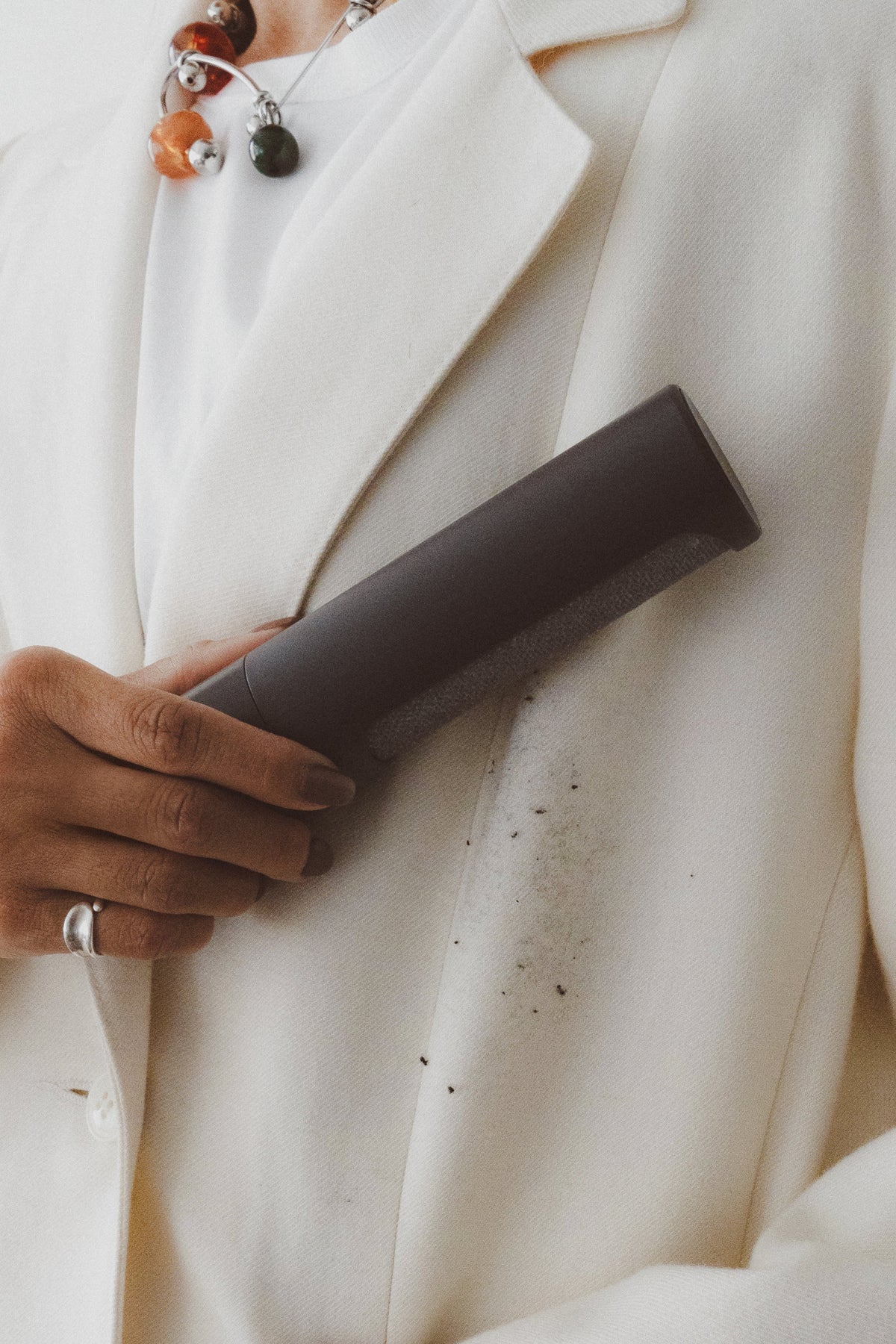
A good clothes brush does more for your garments than a wash cycle. Less wear, longer life, better results.
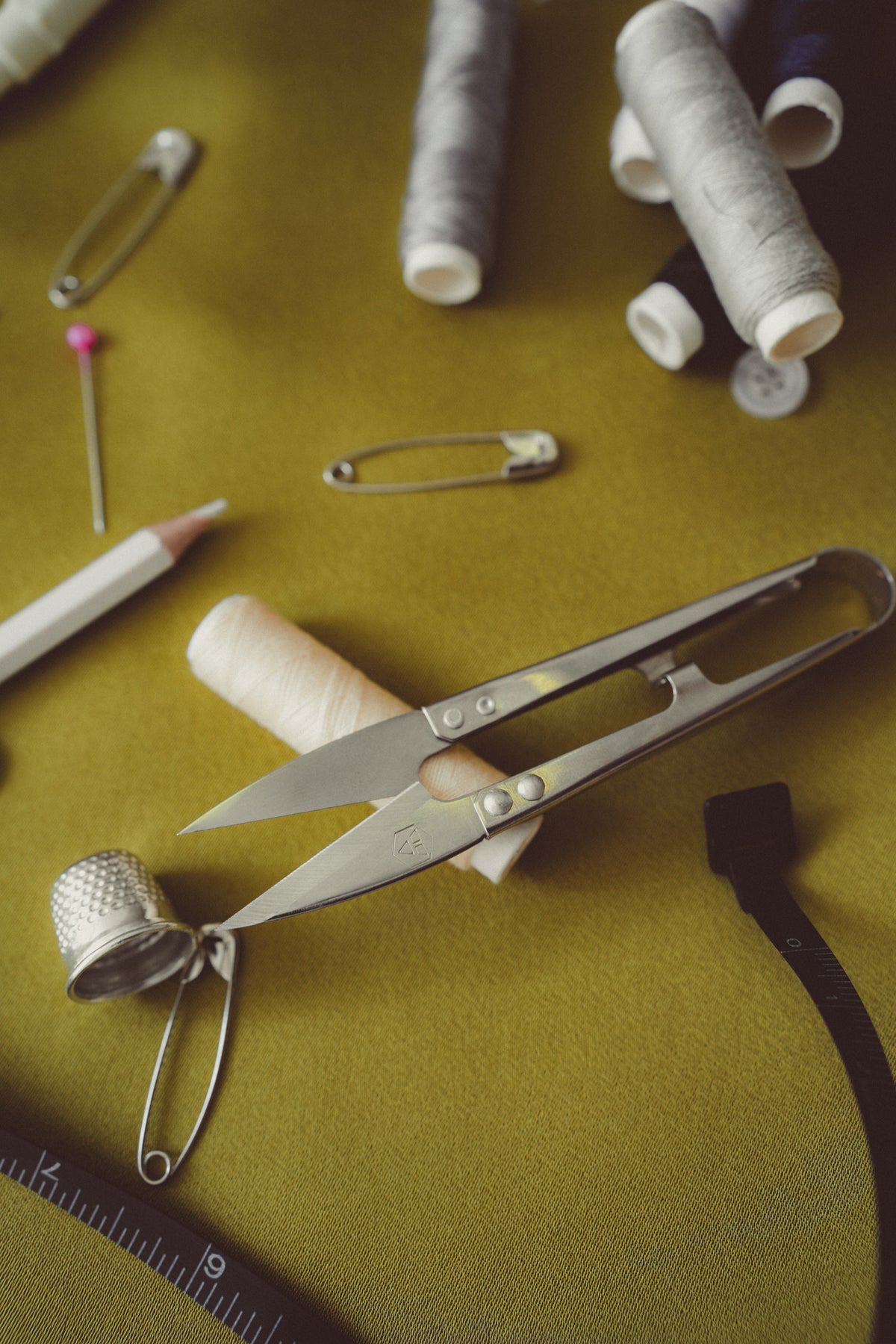
A ripped seam isn't the end of a garment. With the right kit, it's the beginning of something better.
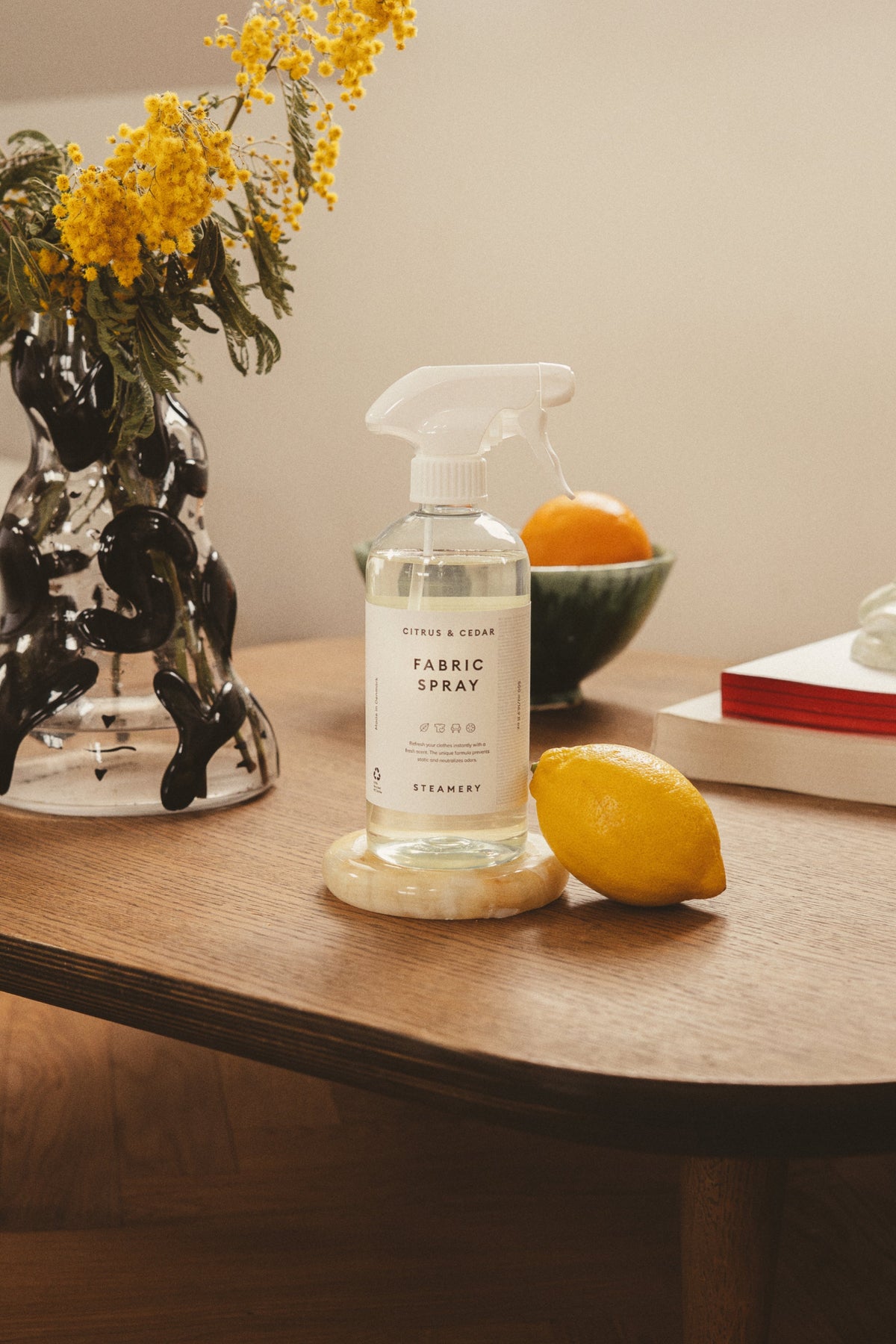
Steamery's Fabric Spray refreshes clothes and textiles instantly, with a lasting scent of rose and musk.
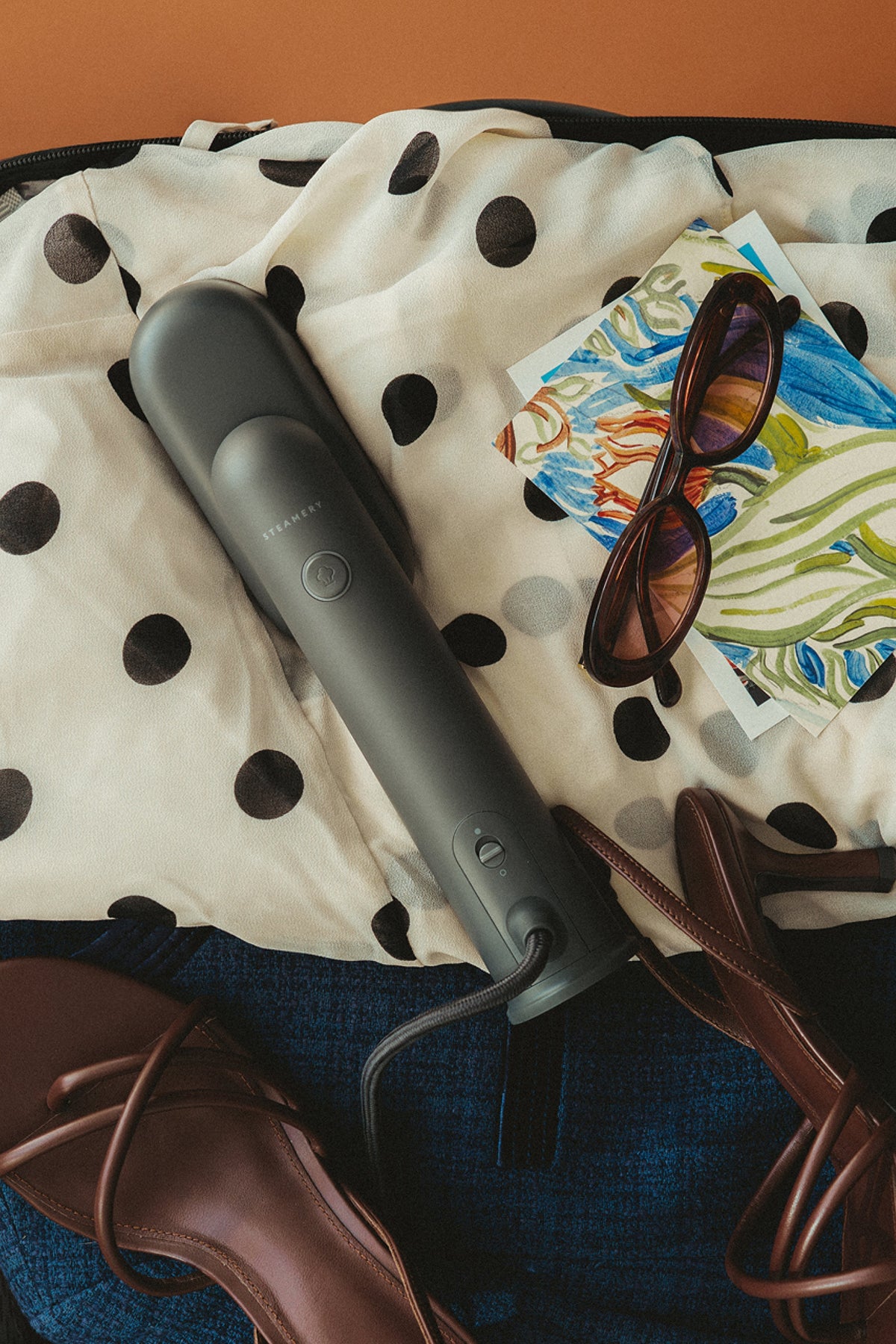
The travel accessories and steaming tips that keep your wardrobe in good shape, wherever you land.
Please confirm your location