






Brush, don't wash
A good clothes brush does more for your garments than a wash cycle. Less wear, longer life, better results.

Pilling is a natural part of a garment’s life. Learn how to restore the natural beauty of the fabrics in your wardrobe, with guidance from textile engineer and Steamery co-founder, Frej Lewenhaupt.
The finest fabrics in your wardrobe deserve a moment of renewal.

Over time, even the finest fabrics may develop small fiber clusters known as pills. Understanding pilling allows you to care for your wardrobe with intention and preserve the pieces you love.
"The extent to which a garment pills depends on the fibers used to make the piece. Long fibers are less prone to pilling than short ones, while straight fibers typically pill more than curly fibers. Similarly, newer garments will naturally pill more than the pieces that have been in your wardrobe for seasons, since those newer pieces haven’t yet shed any excess fibers.
You may also notice that your knitted pieces—the cashmere cardigan, the wool sweater—attract more pilling than the woven garments in your wardrobe.
Finally, you may notice more pilling in areas that naturally make contact with other fabrics, such as the cuffs that may brush against the sleeve of a coat, or the side where you carry a bag."
"When adding a new piece to your wardrobe, start by reading the care label. There is a difference between synthetic pills and pills that occur on natural fabrics.
Pilling found on natural fibers such as wool, alpaca, and cashmere is easily removed by using a fabric shaver or brush, since the fine fibers can be gently combed away from one another. Synthetic pilling presents a bigger challenge, as the fibers tend to hold onto pilling more tightly, making them difficult to smooth out without damaging the rest of the garment.
Consider whether pieces made from acrylic are going to stand the test of time in your wardrobe—while it may look nice on the hanger, the fabric’s short, straight fibers are known to attract a lot of pilling."


"Cashmere is among the natural fabrics that attract pilling, but this isn't an indicator of bad quality. Every year, many cashmere pieces are unnecessarily returned to stores, mistakenly confused for being faulty. Look for long-staple yarns that will attract fewer pills than shorter fibers.
The truth is that all cashmere will pill to some extent—especially new cashmere that is adjusting to the first stages of wear. But with gentle care using a fabric shaver or brush, cashmere garments will prove to be some of the most enduring pieces in your wardrobe."
The pieces you reach for most will naturally show signs of wear over time. But a simple pass of a fabric shaver or brush can restore your signatures to their natural beauty.
Using a fabric shaver
The tactile quality of merino. The textured hand feel of alpaca. The finest fabrics in your wardrobe deserve a moment of renewal.
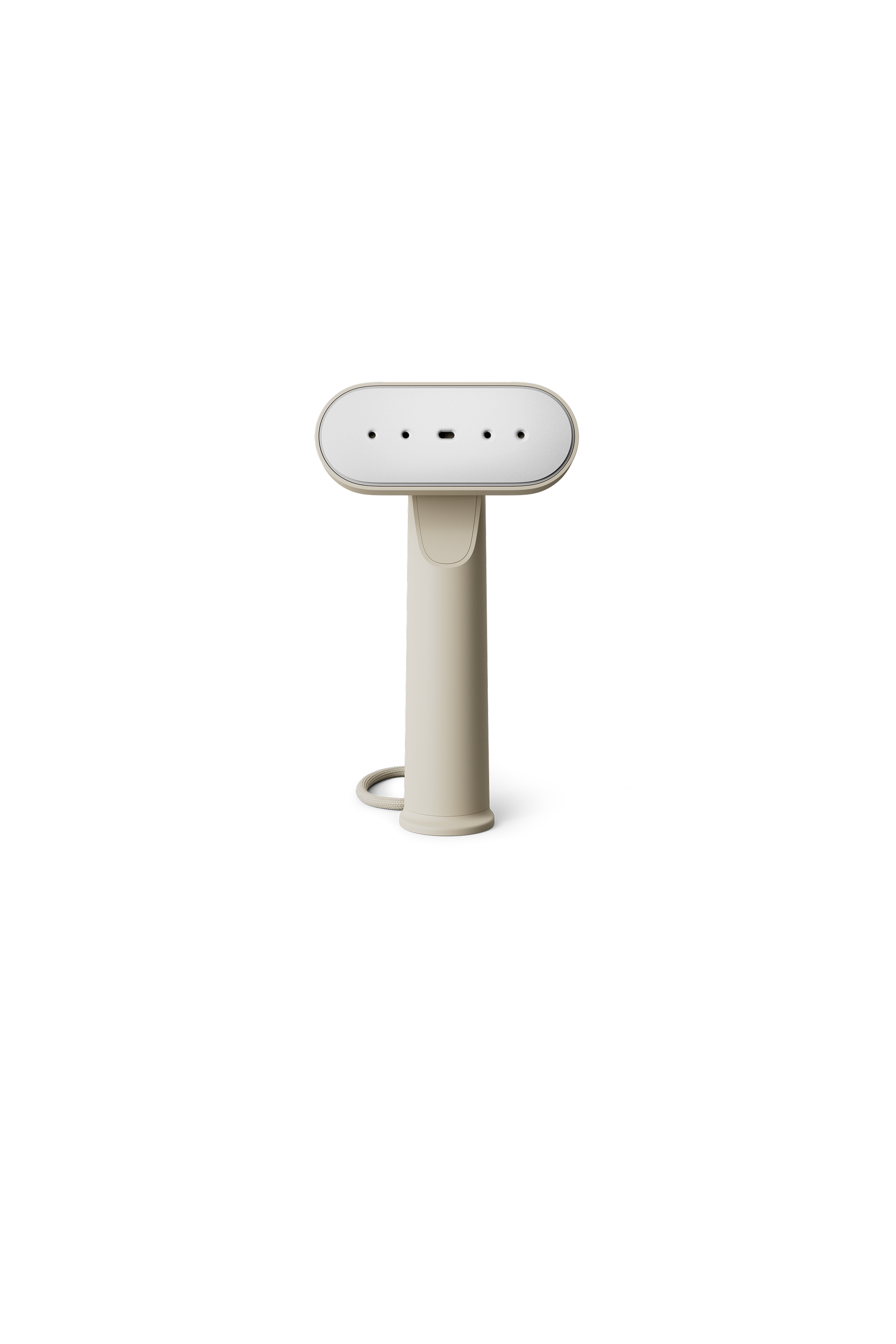
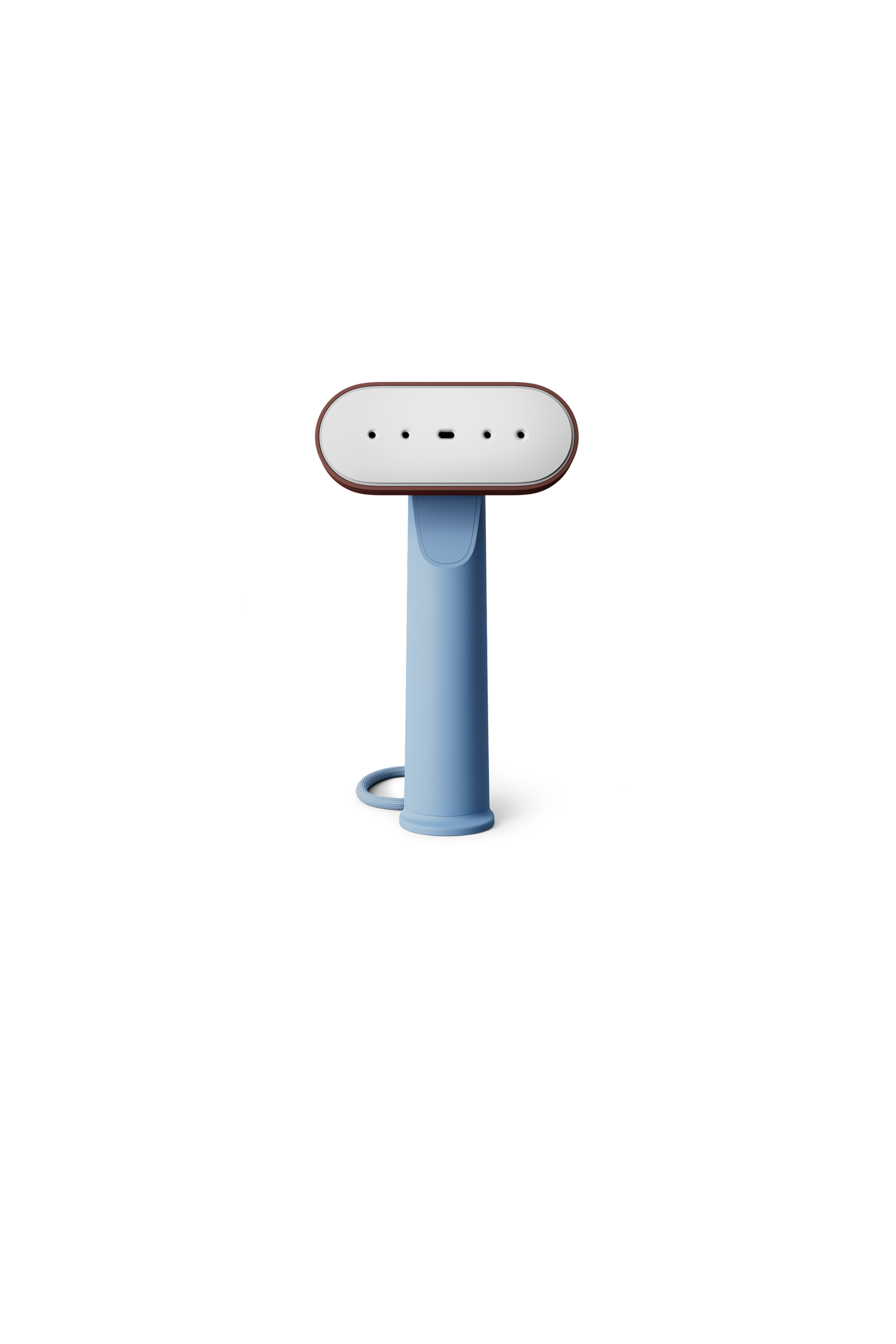
Using a fabric shaver such as Pilo 2 is a trusted way to revive your wardrobe staples. With six precision razor blades and a wide shaving area, it gently removes pilling from your pieces, restoring their natural characteristics. Gently glide the device over the garment and watch as the pilling falls away.
The gentle touch of a brush
Consider using a fabric brush for more minor improvements such as gently sweeping away hair or dust. Similarly, a lint brush freshens fabrics with ease, making it a considered ritual to add to your daily routine.
Things to avoid
Don’t be tempted to use a razor on your garments, since the sharp blades are much too harsh for delicate fibers such as cashmere, merino, or alpaca.


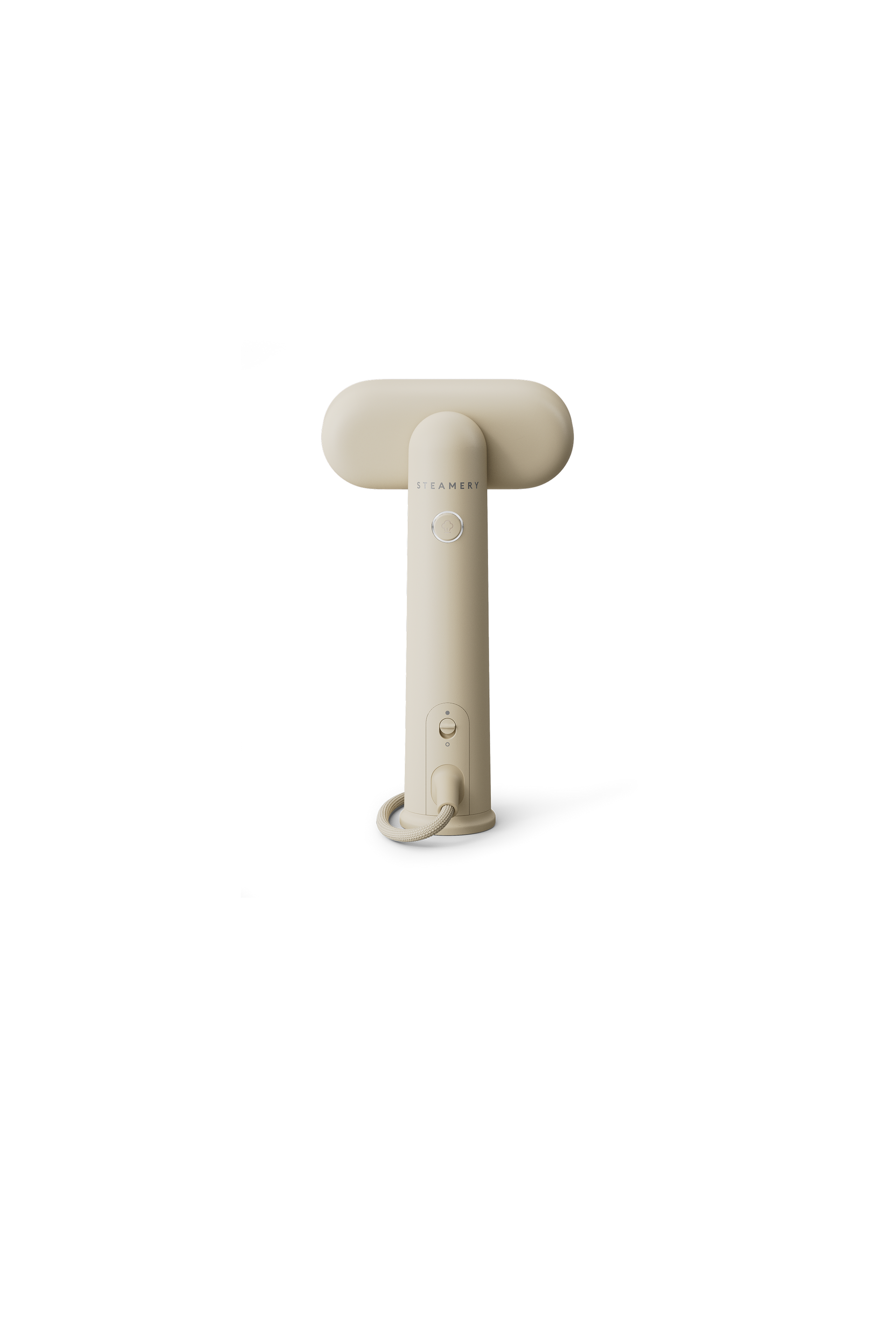


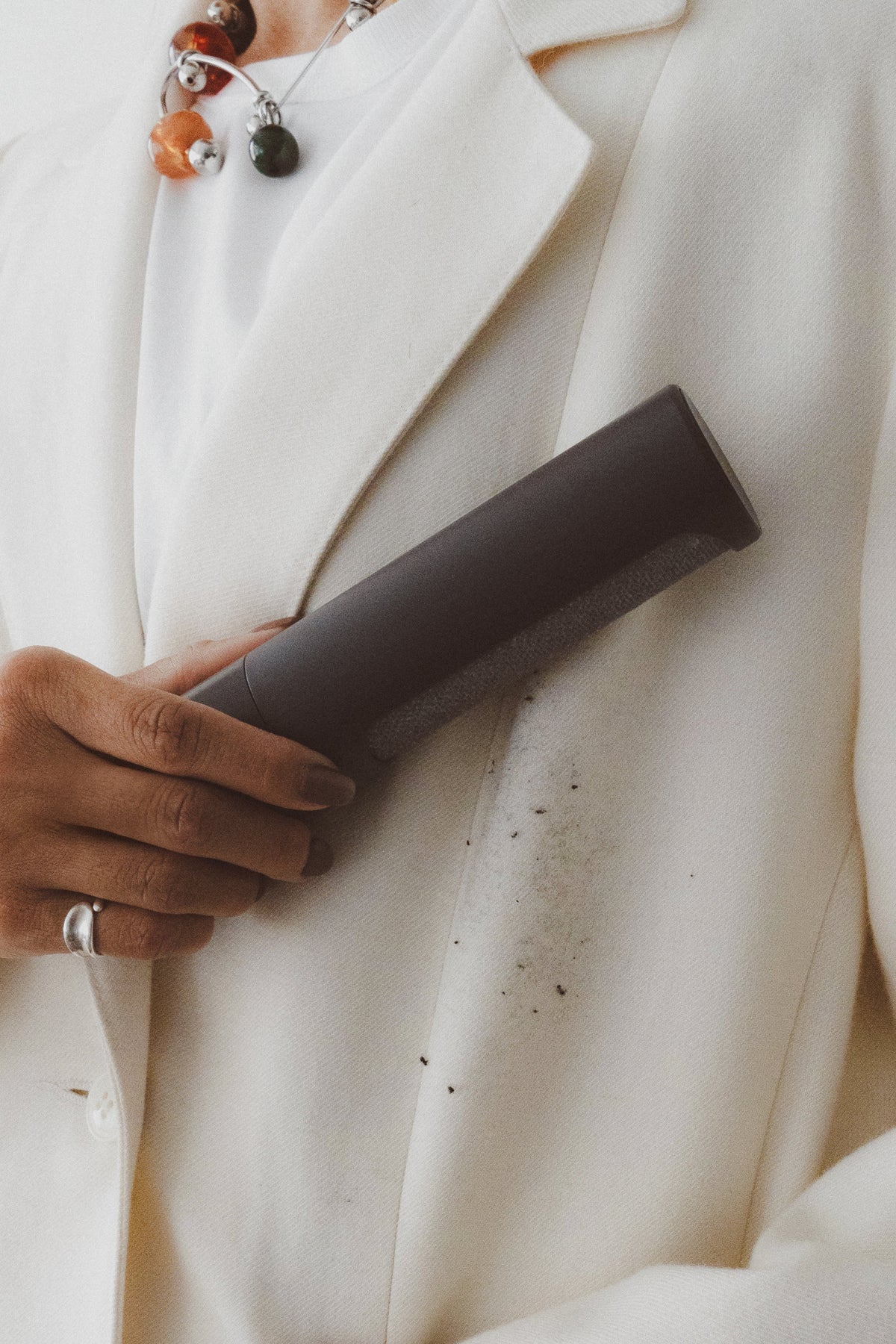
A good clothes brush does more for your garments than a wash cycle. Less wear, longer life, better results.
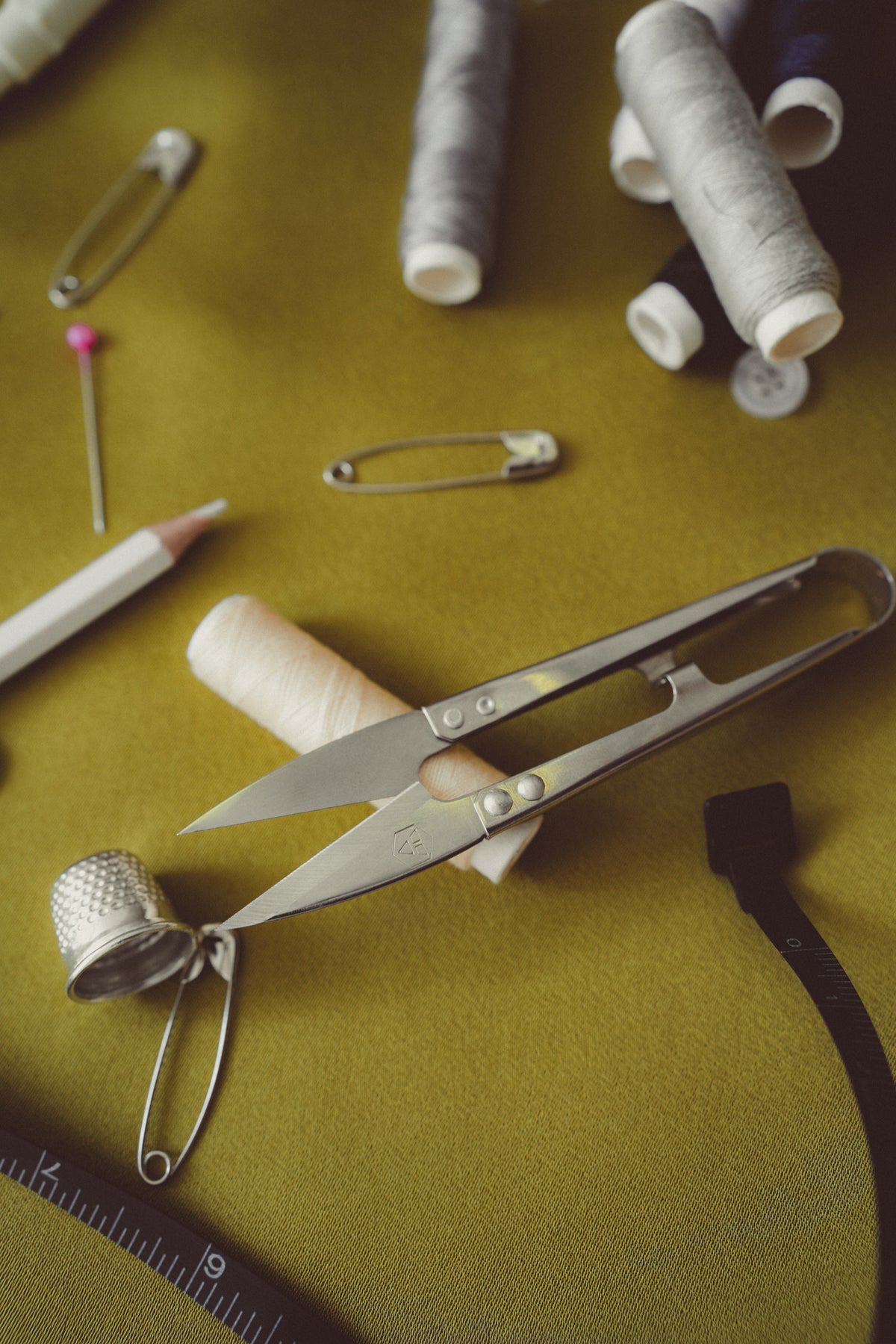
A ripped seam isn't the end of a garment. With the right kit, it's the beginning of something better.

Steamery's Fabric Spray refreshes clothes and textiles instantly, with a lasting scent of rose and musk.
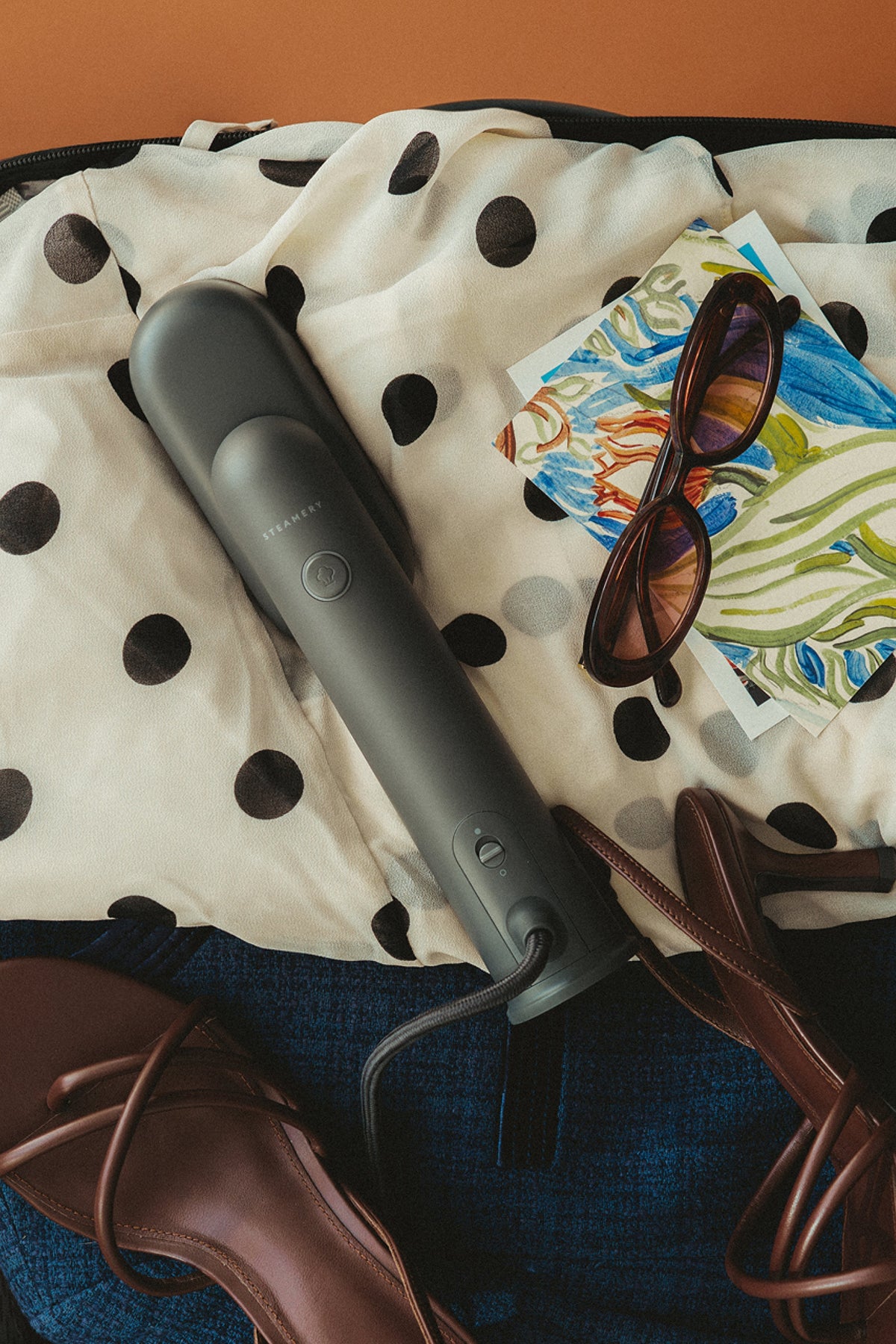
The travel accessories and steaming tips that keep your wardrobe in good shape, wherever you land.
Please confirm your location