


How to read laundry symbols
Every care label tells a story. Here's how to read it.
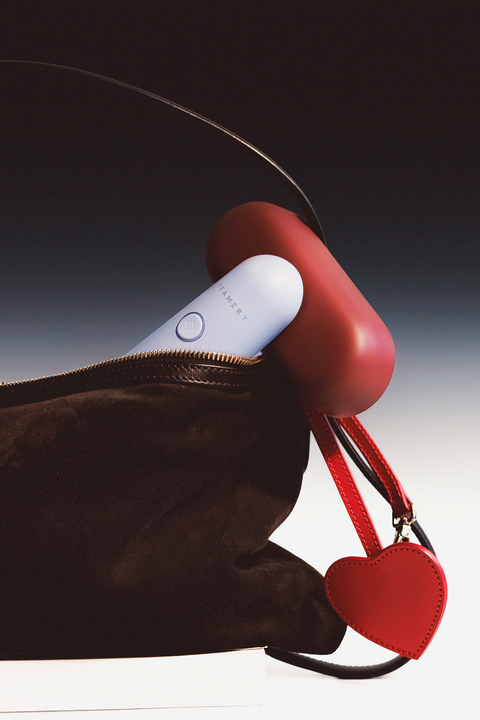
A portable clothes steamer is one of the smartest things you can pack. Know the rules before you plug in.
A travel adapter changes the plug. It does not change the voltage. That distinction matters.
A travel steamer like Cirrus Lite Travel Steamer earns its place in any bag. It keeps clothes looking considered when a limited wardrobe has to work hard across multiple days and climates. But before you travel with one, there are two things worth checking: the voltage and frequency of your destination, and the plug type you'll find there.
Neither is complicated. Both are worth knowing.
Voltage and frequency standards vary by region. European countries, along with most of Asia and Africa, run on 220–240 V at 50 Hz. North America runs on 120 V at 60 Hz. These are not interchangeable.
Steamery steamers are not dual voltage. Each steamer is built to the standard of the market where it is sold. A steamer purchased in Europe is calibrated for European voltage and should not be used in North America, and vice versa. The same applies to other high-draw appliances you might travel with, such as curling irons or hair dryers. Using an appliance at the wrong voltage, particularly at a higher voltage than it is rated for, is genuinely dangerous. It can cause the appliance to fail, overheat, or start a fire.
If you are unsure about your destination's standard, a voltage and frequency map of the globe is easy to find and worth bookmarking before any trip.
Type H covers Israel and Palestine. Type I is used in Australia, Argentina, China, and New Zealand. Type J is standard in Liechtenstein and Switzerland. Type K applies to Denmark and Greenland. Type L is found in Chile and Italy. Type M and Type N are both in use across South Africa. Type N is also the standard in Brazil. Type O is used in Thailand.
Hard water, common across much of the world, carries high levels of calcium and magnesium. Used repeatedly in a travel steamer, tap water from hard-water areas leads to limescale buildup that shortens the life of the appliance. When in doubt, reach for Steamery's Steam Water or any distilled or filtered water you can find locally. Our water guide covers everything you need to know about water quality, including how to tell hard water from soft.
If your travel clothes steamer is in your carry-on, empty the water tank before you reach the airport. Steamers clear security without issue, but like any electronic device, they typically need to come out of your bag during scanning. And like any container that holds liquid, the tank must be empty before you fly.
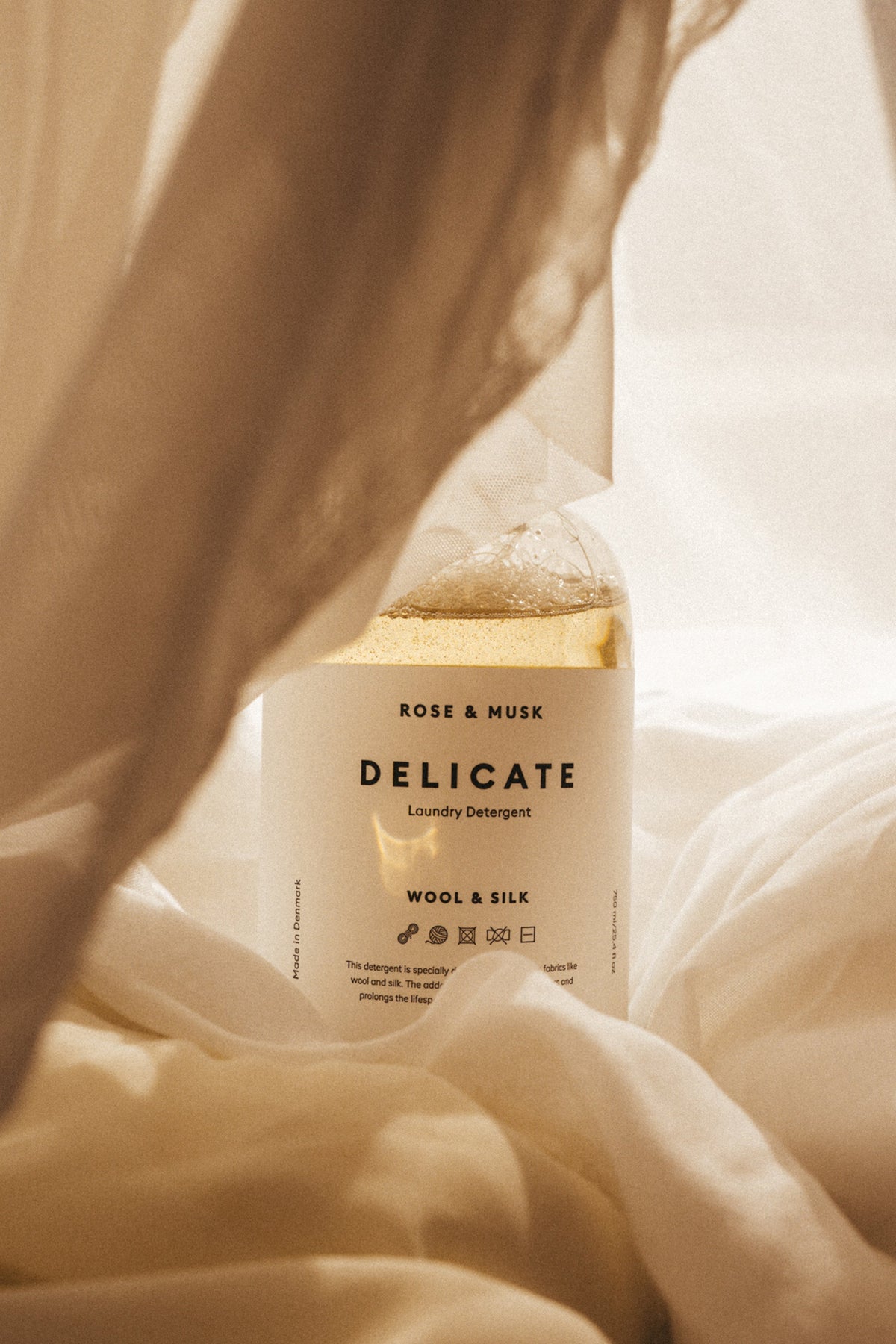
Every care label tells a story. Here's how to read it.

Ready for your former favorites to find a new home? Here's how to make the handover count, for you and whoever buys them.
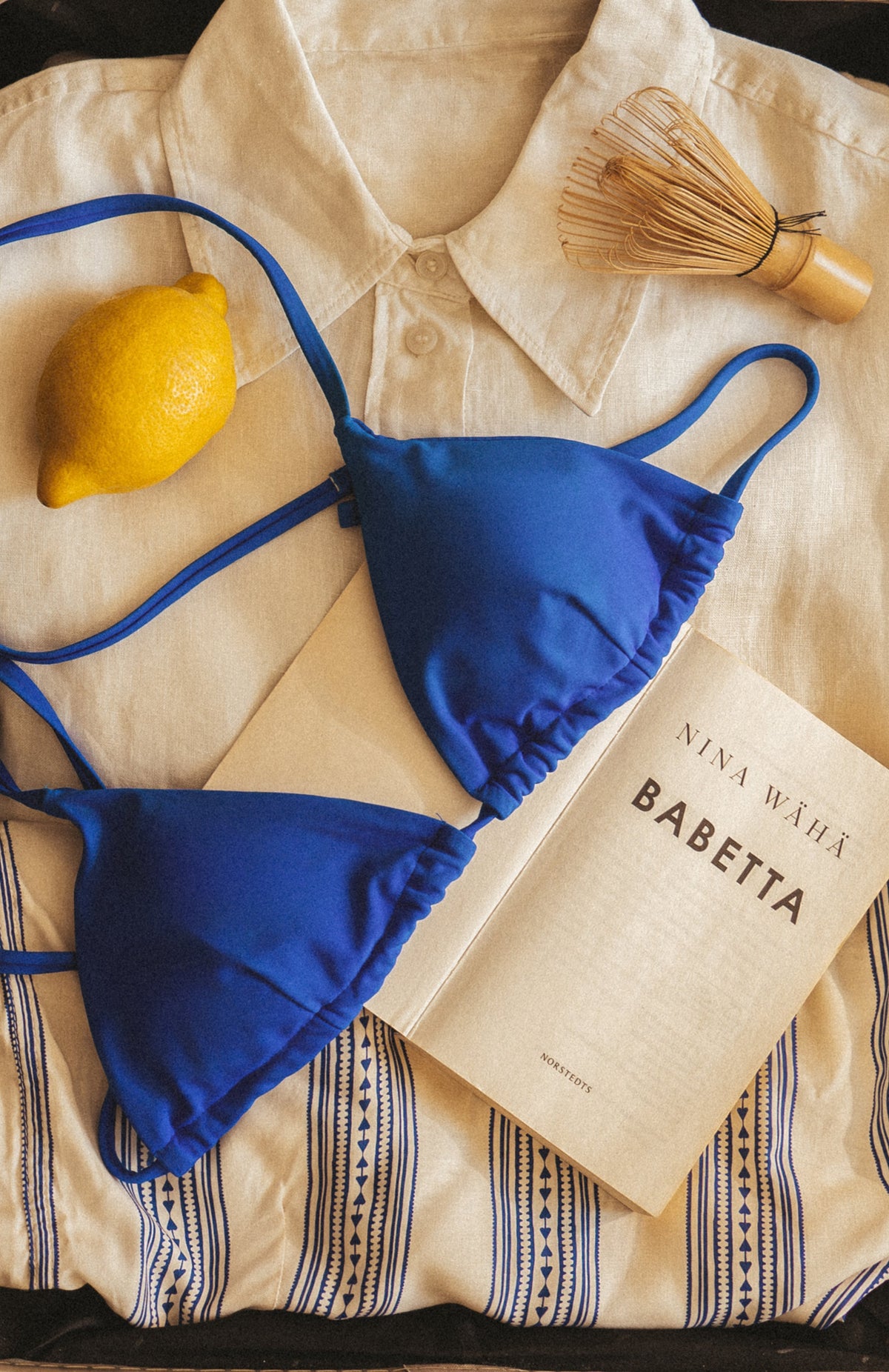
A little care goes a long way. Here's how to keep your swimwear looking right, season after season.
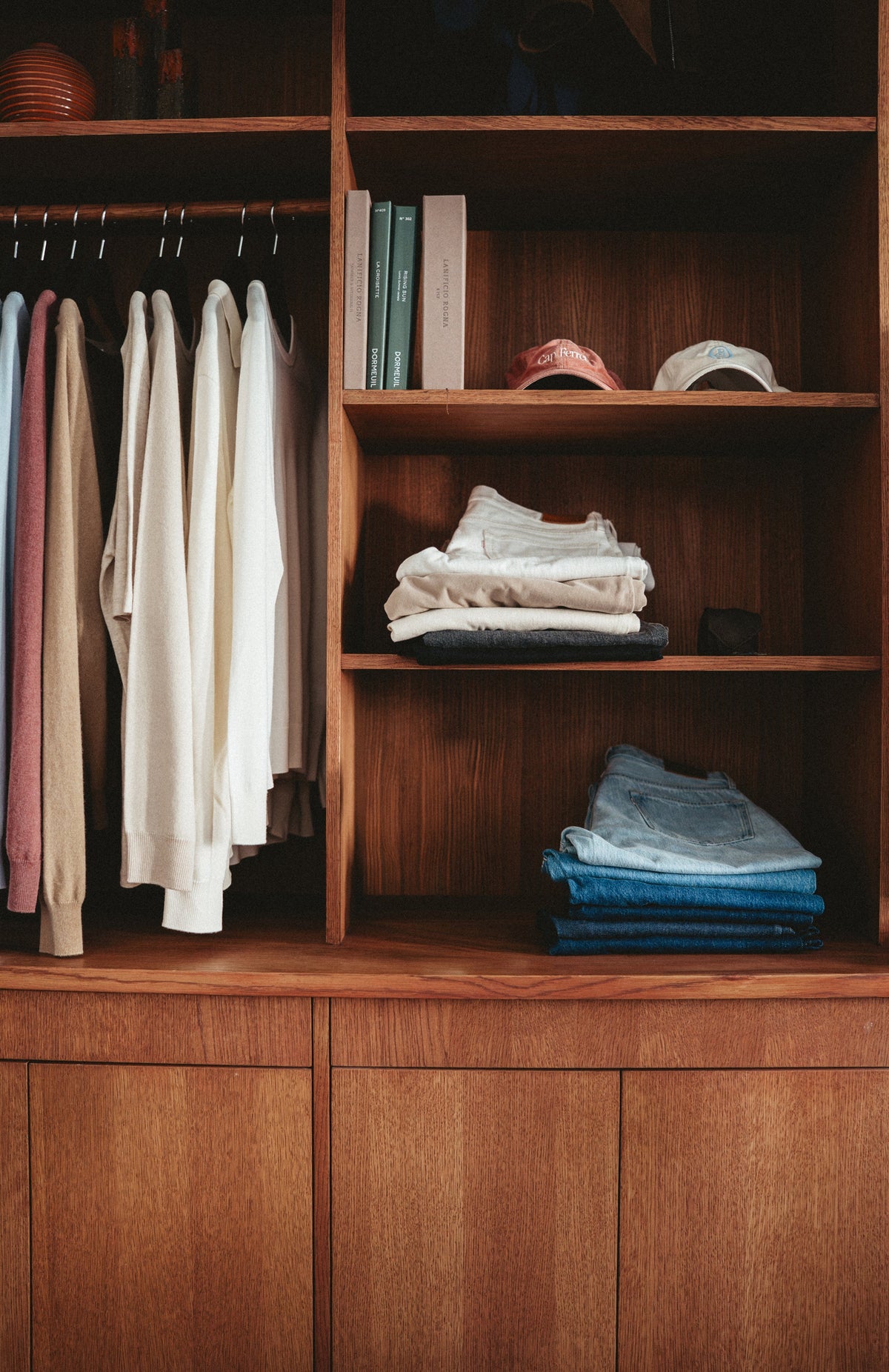
Seven steps to clear out, care for, and organize a wardrobe you actually want to open.
Please confirm your location